
Categories
Wealth BuildingPublished February 5, 2026
Investing in Westchester County: A 2026 Strategy Guide

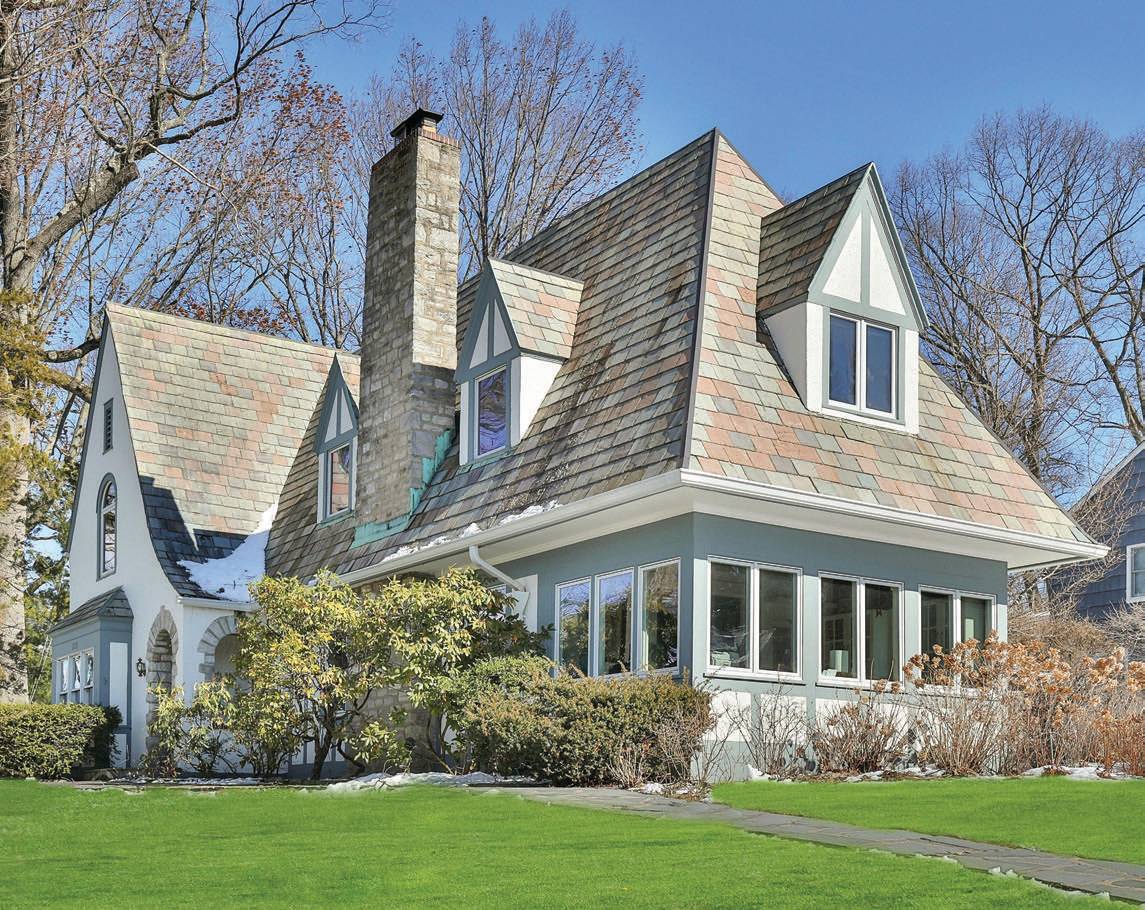
Westchester County has long been the crown jewel of New York’s suburban real estate, but as we move into 2026, the game is changing. With the "great normalization" in full swing, the frantic bidding wars of the early 2020s have been replaced by a market defined by stability, supply constraints, and high-income demand.
For the savvy investor, Westchester isn't just a place to park cash—it’s a surgical play on high-net-worth tenant retention and long-term equity. Here is the 2026 breakdown of how to measure your success in this unique market.
The ROI Reality Check
In a market where the median home price for a single-family house is hovering near $1 million, calculating your Return on Investment (ROI) requires a sharp pencil.
While the national average for residential ROI often sits around 10%, Westchester investors should expect a more conservative 5% to 8% for stabilized assets. Why? Because you are trading high immediate yields for asset security and appreciation.
- Appreciation Play: Experts forecast a steady 4% annual growth in home prices through 2026.
- Rental Demand: High-tier school districts (Scarsdale, Rye, Pelham) continue to drive a 2-3% annual increase in rental prices as families choose to rent while waiting for the perfect inventory to buy.
Deciphering Westchester Cap Rates
If you’re looking at multifamily units or commercial assets in hubs like Yonkers, White Plains, or New Rochelle, the Capitalization Rate (Cap Rate) is your North Star.
As of early 2026, we are seeing slight cap rate compression in certain sectors as buyer sentiment improves with stabilizing interest rates.
Current Market Snapshots:
- Suburban Class A Multifamily: 5.2% – 5.3%
- Value-Add Opportunities: 6.5% – 6.8%
- Industrial/Self-Storage: 6.0% – 8.0% (depending on proximity to I-95/I-87)
The Rule of Thumb: In Westchester, a lower cap rate (around 5%) usually signals a "safe" investment in a high-demand area with low vacancy risk. If you find a property boasting an 8%+ cap rate in this county, perform deep due diligence on property taxes and maintenance—they are often the "hidden" yield killers here.
Cash on Hand: The Barrier to Entry
Westchester is not a "low-money-down" market. To be competitive in 2026, your Cash on Hand requirements are higher than in most other NY regions.
- Down Payments: Expect a minimum of 25-30% for investment properties. With 30-year fixed rates averaging near 6%, a larger cash injection is often necessary to ensure the property remains cash-flow positive.
- The "Tax Reserve": Westchester has some of the highest property taxes in the nation. Investors should keep a liquid reserve specifically for the 3.7% tax levy increase seen in the 2026 county budget.
- Liquidity for Speed: In 2026, inventory remains 12% lower than historical averages. Sellers are prioritizing buyers who can show proof of funds for a quick close, often bypassing those with complex financing contingencies.
The Bottom Line
Investing in Westchester County in 2026 is a wealth-preservation play. You aren't just buying a building; you're buying a piece of one of the most resilient economies in the world. Focus on Net Operating Income (NOI) by keeping a tight lid on maintenance and leveraging the county’s high-income tenant base.
For more information please visit https://james.thericciteam.com/

Christine Ricci
Associate Broker & Operator | The Ricci Team at Keller Williams NY Realty | PLACE
or another way